Environmental responsibility
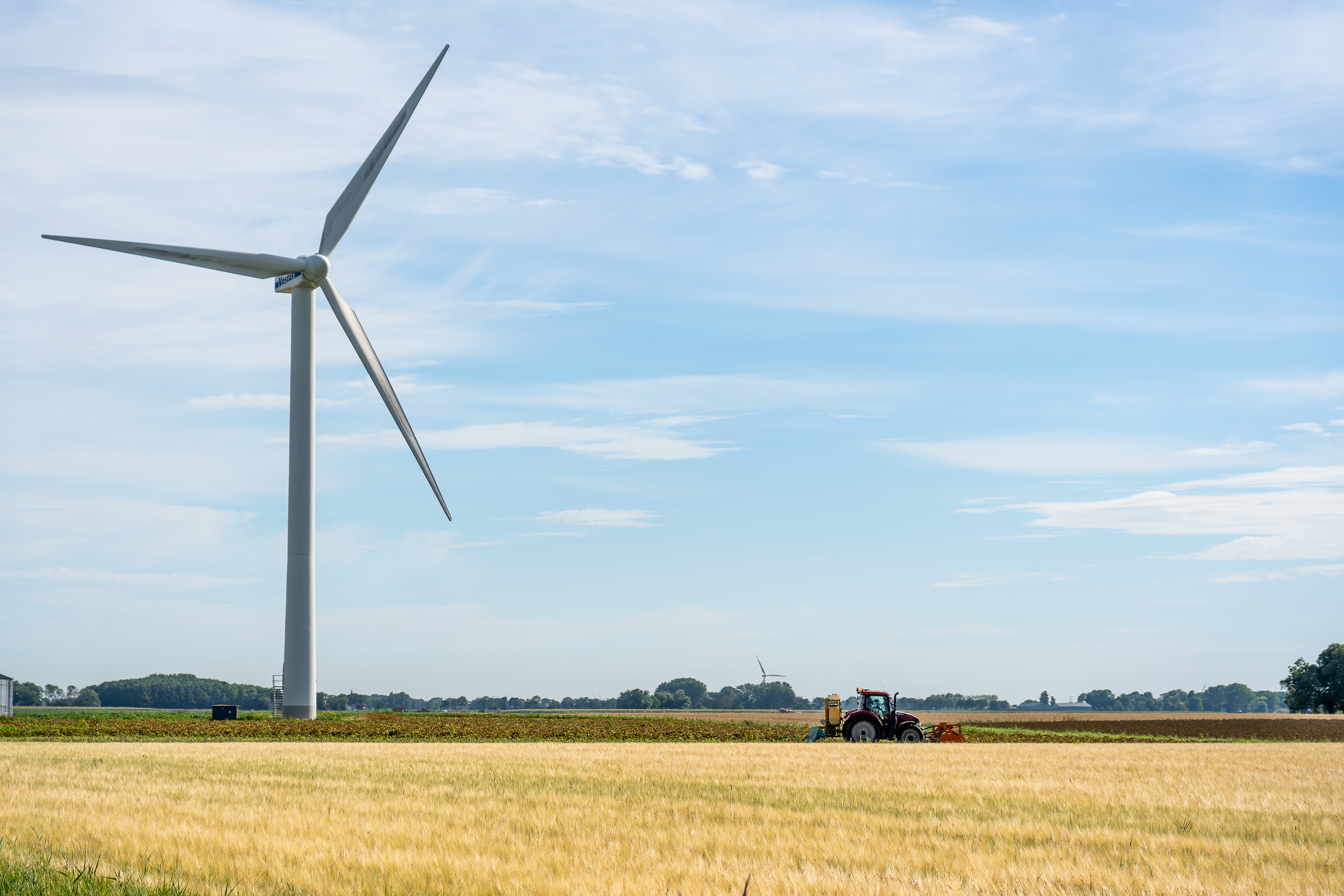
Our renewable energy projects play an important role in the transition to a low-carbon energy system. But their contribution doesn’t stop at the energy they generate.

Our renewable energy projects play an important role in the transition to a low-carbon energy system. But their contribution doesn’t stop at the energy they generate.
We believe renewable projects can be developed and operated in a way that respects and enhances the natural environment, creating lasting benefits for biodiversity alongside clean energy.
Every location is different, which is why we take a considered, site-specific approach to environmental management. We work to understand the ecological characteristics of each site and identify opportunities to protect, restore, and enhance habitats and support native species.
Our environmental management is supported by ISO 14001 certification, providing a recognised framework for identifying and managing our environmental impacts, meeting our environmental responsibilities and driving continual improvement across our business. It is independently assessed by the British Assessment Bureau.
Our environmental commitments are put into practice through targeted planning and site-specific measures:
From planting native trees and hedgerows to creating habitats for pollinators and enhancing existing habitats, we look for practical opportunities to improve biodiversity and strengthen local ecosystems.
Around each of our new projects we aim to have biodiversity management plans in place to create, enhance and improve habitats, restore ecosystems and encourage wildlife for years to come. For example, ecological gain can be achieved through establishing wildflower meadows and grasslands, hedgerows, woodland scrub, wetland habitats and land quality restoration.

Where appropriate we install bat/bird boxes in the vegetation around the perimeters of our solar farms.
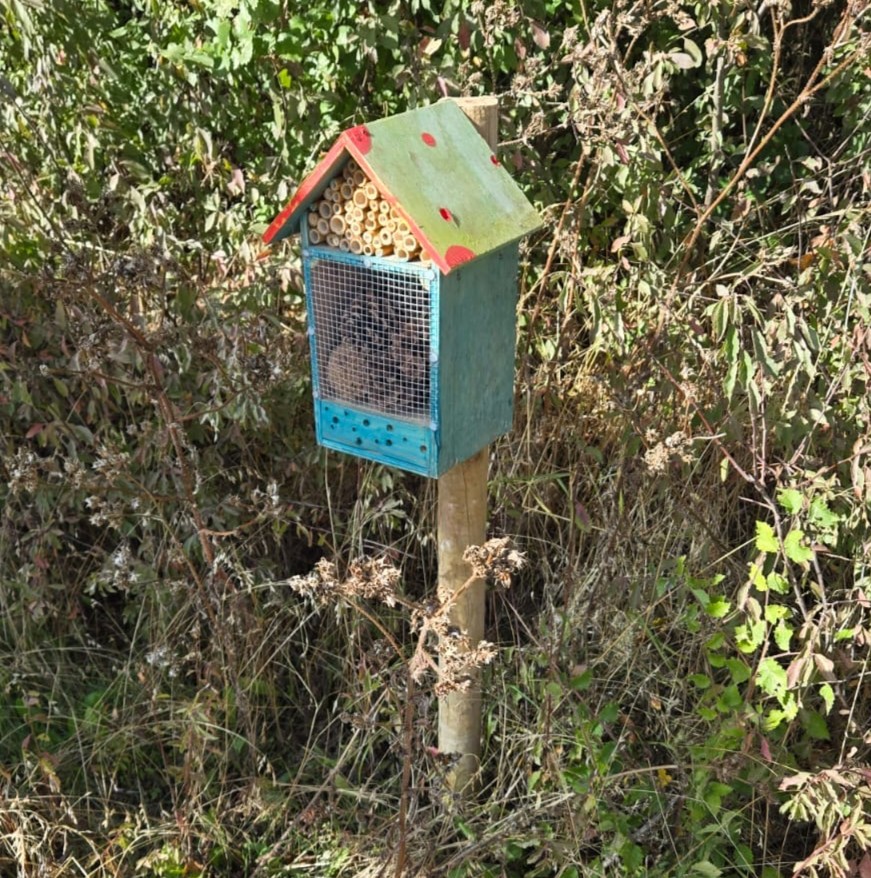
These small structures are made from natural materials with spaces to encourage and support populations of insects such as solitary bees.
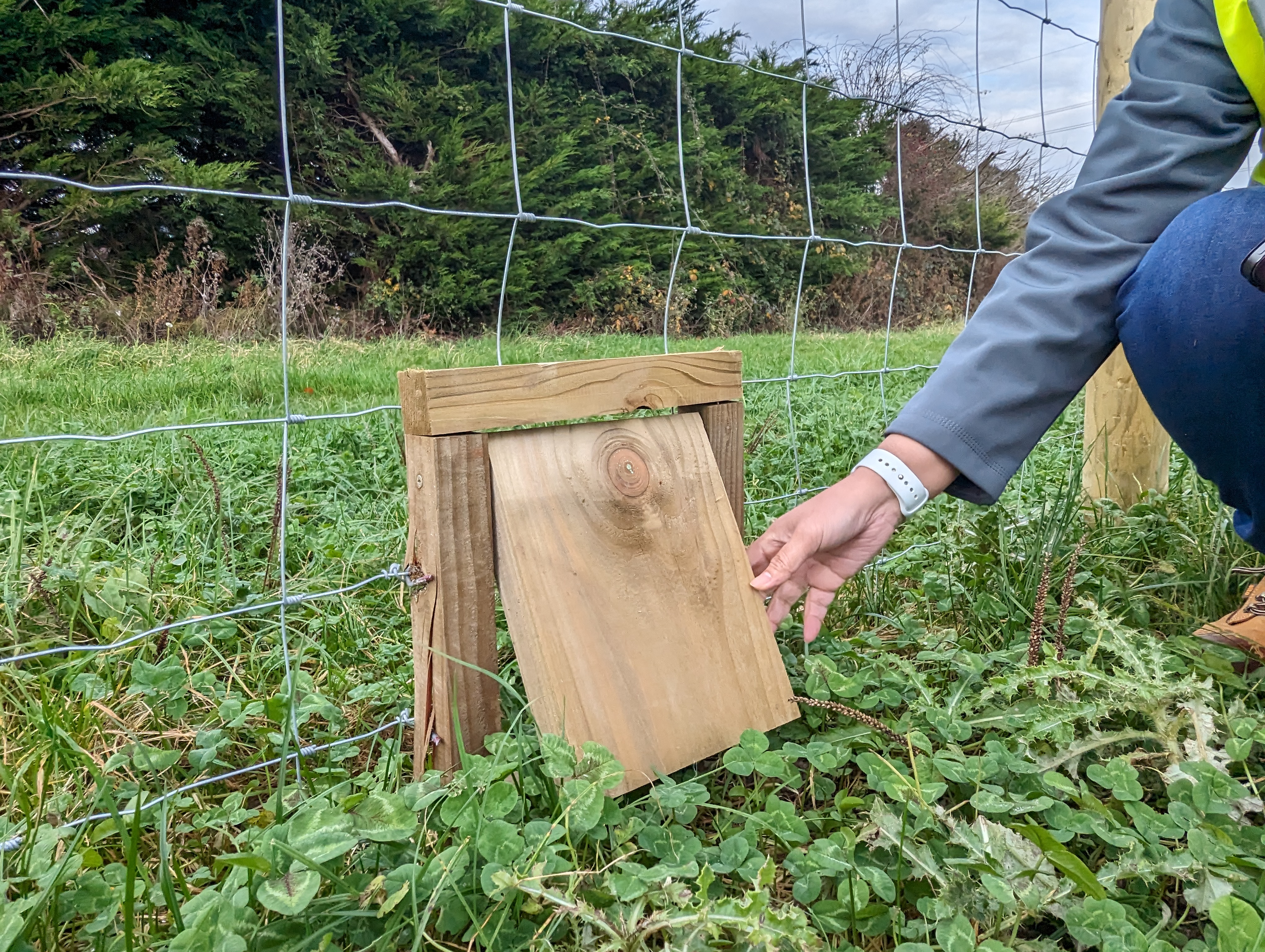
Where appropriate, we install fencing that allows local wildlife to move freely across our solar farms, preserving natural habitats and migration routes.
Our commitment continues throughout the operational life of our projects. Our existing renewable sites are well managed and maintained. Once in place, these projects are relatively undisturbed by human activity, offering time for the land management plans to take effect.
By monitoring, managing and enhancing habitats over the long term, we aim to help deliver lasting benefits for nature and the places in which we operate.
We recognise that developing, constructing and operating renewable energy projects requires the responsible use of materials and resources. We therefore seek to minimise waste, use resources efficiently and consider opportunities to reuse and recycle materials throughout the life of our assets.
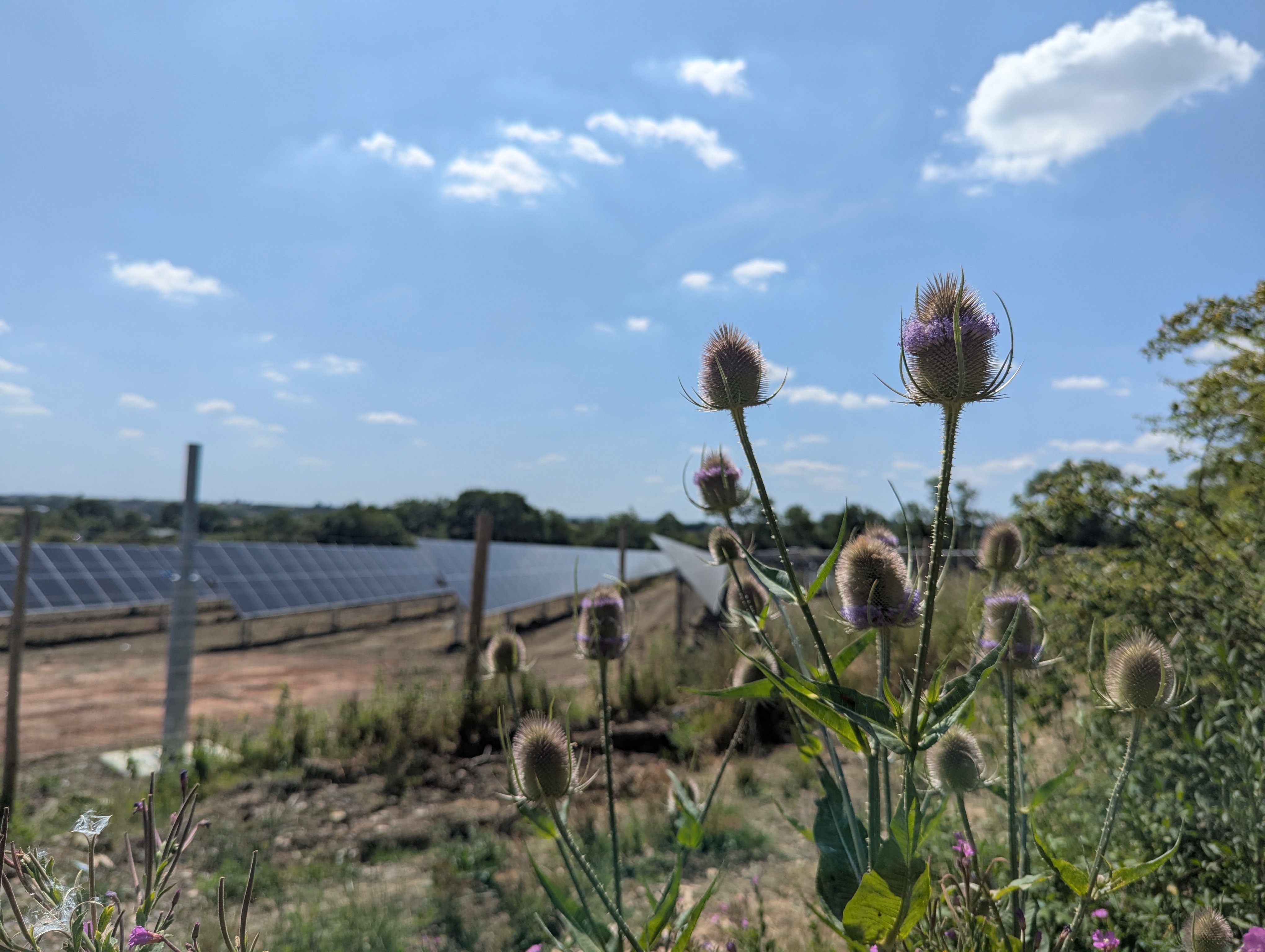
Both our Eastfields and Bunkers Hill solar projects are designed to achieve an average Biodiversity Net Gain (BNG) of over 50% – five times the standard 10% statutory requirement.
Biodiversity Net Gain is a standardised framework for measuring a site’s value to wildlife.
By taking a nature-led approach to development, creating new habitats and restoring existing ones, we want to ensure that our projects leave local ecosystems in a measurably better state than we found them.
Stories from across our projects, communities and business.